
Having fought and grown strong, lo! When at last the earth groaned and the conches sounded warning, and the Twain bade the people forth, forsooth! They murmured much, and many turned headstrong and were left to perish miserably in their own houses as do rats in falling trees, or flies in forbidden food!
But the great company went obediently forward, until at last they neared Shipololon K’yaia (Steam mist in the midst of the waters). Behold! They saw as they journeyed, the smoke of men’s hearth-fires and a great assemblage of houses scattered over the hills before them! And when they came closer they met dwellers in those places, nor looked peacefully upon them – having erstwhile in their last standing place, had touch of war – but challenged them rudely, to know, forsooth, who they were and why they were there.
“We are the People of Seed,” said these strangers, replying to our fathers of old, “born elder brothers of ye, and led of the gods!”
“Nay,” contended our fathers, “verily, we are led of the gods and of us are the Seed people and the substance of seed whereof our wise elders carry the potencies.” Whereupon they grew yet more angry, so dark were they of understanding!
The people who called themselves “Of the Seed” – who were none other than the “Drinkers of the Dew of Grasses” – bade them pause. “Behold!” said they, “we have powers above yours, yet without your aid we can not exert them; even as the mothers of men may not be fertile save of the fathers. Ye are our younger brothers, for verily so are your People of Seed, and more precious than they know, are they and their sacred keepings, ye – unwittingly, alack! – so boast of; even as we are more wise than ye are and in ourselves quickening withal, for ye are, like virgins, unthinking, yet fertile. Now go to! Let us look peacefully upon one another. Do ye, therefore, try first your powers with the sacred things ye carry according as ye have been instructed or may best devise; then will we according to our knowledge of these things and our own practices try our powers with them also, showing forth our customs unto you.”
At last, after much wrangling and council, the people agreed to this. And they set apart the time, eight days (as now days are numbered) wherein to make their preparations, which was well; for therefrom resulted to them great gain, yea, and the winning of these stranger villagers, and by wise and peaceful acts rather than by war and the impetuosity of right hands. In the borders of the plain in the midst of cedars (fuel furnishers of the food-maturing fire, these!) and under the shade of Hemlocks (Tree-goddesses of the food-growing water, these!) they encamped. And at the foot of the Hemlocks, facing the sunlight, they builded them of cedar boughs a great bower: like to it, only lesser, are those whence we watch and foster the ripening of our corn; for from their bower thus fashioned, our fathers and mothers, the priests and priest-matrons of old, watched and labored for the first birth of corn, and in this wondrous wise, as young parents watch for the birth of their children, though not knowing of what kind or favor they will be, nevertheless expectantly of heart; and as we now watch the fulfillment of our harvests.
So, the seed-priests and master-keepers of the possessions, and their fathers (those of the house of houses) fasted and intently contemplated their sacred substances to divine the means thereof. And it seemed good to them to cut wands of the spaces, painting them significantly and pluming them in various ways with the feathers of the cloud and summer sun-loving birds (Olowik’ya Wowe Pekwi Ashiwani), thinking thereby to waft the breath of their prayers and incantations (taught of the Surpassing Ones all in the new time of the world) and to show forth their meanings even so far as unto the ancient sitting spaces of those who first taught them.
When all else was prepared, they made a shrine around their muetone (or medicine seed of hail and soil) their k’yaetone (or medicine seed of the water and rain) and their chuetone (or medicine seed of grains). And around these, and reaching out toward the Sun before them, they set their plumed wands of message. For the plain was dry and barren, and they wanted fresh soil by the hail torrents, moisture by the rain, and growth of seed-substance, that they might the better exhibit their powers to these strangers; if perchance, in response to their labors and beseechings, these things would be vouchsafed then. Therefore, that the meaning of their beseechings might be the more plain and sure of favor, certain ones of the sage priests, sought out and placed the largest and most beautifully colored grass seeds they could find among the stores of their way-farings, in the gourd with the chuetone, and then cut from branches of the easy growing cottonwood and willow, gleaned from the ways of water, goodly wands which they plumed and painted, like in color to each kind of seed they had selected; yellow, green, red, white, black, speckled and mottled; one for each side of the sacred gourd, one to be laid upon it, one to be laid under it, and one to be placed within it; and as soon as they finished, thus they disposed the wands.
Now when night came, these master-priests took the chuetone – all secretly, whilst the others were drowsy – and carried it, with the plumed wands they had made, out into the plain, in front of the bower. There they breathed into these things the prayers and over them softly intoned the incantations which had been taught them in the new time of the world. Then they placed the chuetone on the ground of the plain and on each side of it, by the light of the seven great stars which were at that time rising bright above them, they planted one of the plumed wands with the seeds of its color; first, the brightest, yellow with the yellow grass seeds, on the north; then the blue with the green grass seeds, on the west; then the red with the red seeds, to the south, and the white with the white seeds to the east; but the other three plumed wands they could not plant, one above, the other below, and the last within the gourd; so looking at the stars they saw how that they were set, four of them as though around a gourd like their own, and three others as though along its handle! “Ha! Chukwe!” said they. “Tis a sign, mayhap, of the Sky-father!” whereupon they set each of the others in a line, the black one with its seeds of black, nearest the the sacred gourd below the handle; the speckled one with its spotted seeds next, on the other side of the handle, and the mottled one with its dappled seeds far out at the end of the handle, that it might (being of the colors of all the others) point out each of them, as it were, and lead them all!
And when, on the morrow, the watchers saw the plumes standing there all beautiful in the plain, and asked who planted them, and for what, the priests replied, “Verily they were planted in the night, while ye heedlessly drowsed, by the seven stars.” Thereat the people, mistaking their meaning, exclaimed, “Behold! The seed wands of the stars themselves!” and they joyed in the omen that their prayers had been heard so far. And lo! During the eight days and nights there arose thick mists, hail and rain descended until torrents poured down from the mountains bringing new soil and spreading it evenly over the plain. And when on the morning of the ninth day the clouds rolled away, “Eluu!” shouted our fathers of the Seed kin to the stranger people; “Water and new soil bring we, where erst was barren hardness; yea, even grasses, tall and plumed as were our wands, and spiked with seed, for the grass seed had sprouted and the new wands taken root and grown, and now had long feathery blades and tall, tasseled stems, waving in the wind.
“Yea, verily!” cried the People of the First-growing-grass kin (Aik yaho-kwe), chief of the clans of Seed, “we are the People of the Seed!”
But the strangers, heeding not their boastings, replied, “Yea, verily, enough! It is well! Truly water and new soil ye have brought, and grasses growing great therefrom, yet ye have not brought forth new life therefor of the flesh of men or the seed of seeds! Come now, let us labor together, in order that what ye have begun may be perfected. New soil and the seed of its production, the seed of water, yea even the substance of seed itself we had not, yet of the seed of seed we are verily the people, and our maidens are the mothers thereof, as ye shall see.”
Then the, too, set apart eight days, during which to prepare for their custom, and they further said, “That we may be perfect in the plenishing and generation of the seed of seeds, send us forth, O ye comers, a youth of the kin of Water and of those who hold posession of the precious k’yaetone, which give unto us likewise, that we join it to the chuetone ye have placed in the midst of the growing plants, according to our understanding of its meaning and relation. And let the youth be goodly and perfect and whole of seed.”
Therefore the fathers of the people chose forth, it is said, Yapotuluha, of the clans of Water, foster child of the great Sun-priest Yanauluha, and named of him. And into his hand they gave the k’yaetone and certain of their wands of worship, and sent him to the strangers glorious to look upon. Now there were in the village of the stranger Seed people seven maidens, sisters of one another, virgins of one house, and foster children of Paiyatuma (the God of Dew) himself. And they were surpassingly beautiful, insomuch so that they were likened to the seven bright stars and are sun of in the songs of the Seed people and told of in their stories. They, too, were chosen and breathed upon by all the fathers and matrons of the Seed, and with the youth Yapotuluha, instructed in the precious rites and incantations of their custom. And during all the time of preparation rain fell as before, only gently and warm, and on the eighth day the matrons and fathers led the maidens and youth, all beautifully arrayed, down into the plain before the bower where watched the people and grew the grasses. And there they danced and were breathed of the sacred medicine seeds.
All through the night backward and forward danced they to the song line of the elders, and in accordance therewith by the side of the growing plants, motioning them upward with their magic wands and plumes, as we, with implements of husbandry, encouraged the growth upward of the corn plants today. As time went on, the matron of the dance led the youth and the first maiden apart, and they grasped, one on either side, the first plants, dancing around them, gently drawing them upward as they went, even as the Two Beloved had caused to grow the canes of the under-world. So also did the youth and each maiden in turn grasp the other plants in their turn, until all had grown to the tallness of themselves and were jointed where they had grasped them; yea, and leaved as with waving plumes of the macaw himself. And now, in the night, the keepers of the great shells (of the Badger kin), brought forth fire with their hands from roots, and kindled it in front of the bower toward the east, that its heat might take the place of the Sun and its light shine brightly on the dancers, making their acts verily alive; and as the dawn approached, the youth and first maiden were led apart as before by the Mother-making matron, and together embraced the first of the full grown plants, and so, in turn, the youth and each of the other maidens embraced the other plants.
And as they embraced the first plant, the fire flamed brightly, with the first catching and flush of the wood, and yellow was its light; and as they embraced the second plant, the flames were burning smokily with the fuller grasping of the wood, and blue was the light; and as they were embracing the third plant, the fire reached its fullness of mastery over the wood, and red was its light; and as they were embracing the fourth plant, the fire was fumeless and triumphant over the wood, and white was its light; and as they were embracing the fifth plant, the fire gave up its breath in clouds of sparks, and streaked, of many colors, was its light; and as they were embracing the sixth plant, the fire swooned and slept, giving more heat, as ‘twere, than light, thus somber was the light, yet, as they were embracing the seventh plant, it wakened afresh did the fire, in the wind of the morning, and glowed as does the late fire of the wanderer, with a light of all the colors.
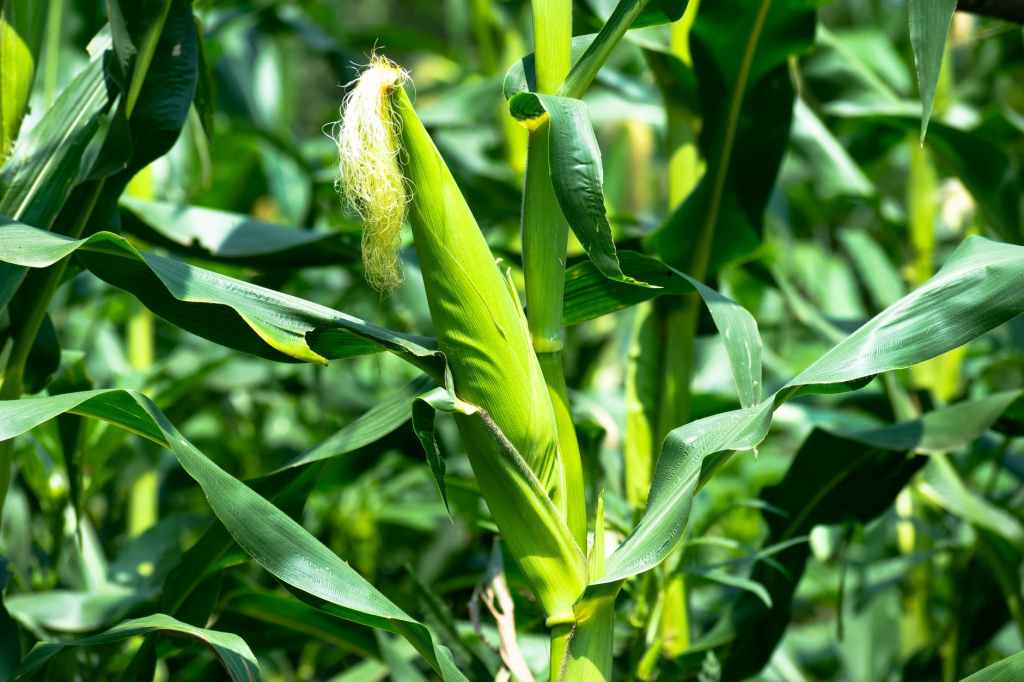
Now, when the day dawned, lo! Where the mid-persons of the youth and the maidens had touched most unitedly and warmly the plants, new parts appeared to the beholders, showing, through their coverings, many colors, soft hair shrouding them, as if to make precious their beauty.
Whilst the people still gazed at these, wondering, out from the Eastland came Paiyatuma and Tenatsali of the All-colored flowers (God of the Seasons), followed by Kwelele with his flame-potent fire-wand. Paiyatuma touched the plants with the refreshing breath of his flowers; Kwelele, with the ripening breath of his torch, whereby the new parts were hardened, some to fruitfulness; others, being too closely touched, burned to the very heat of generative warmth, unfruitful in itself, but fruitful making! Then, as Paiyatuma waved his flute, lo! Following Tenatsali, the maidens and the attendant Kwelele went forth and disappeared in the midst of the morning. As they vanished, Paiyatuma turned to where, full in the light of the rising sun, stood the seven plants. Lithe and tall stood he there beside them like a far journeyer, and said to the awed watchers:
Lo! ye children of men and the Mother,
Ye Brothers of Seed,
Elder, younger,
Behold the seed plants of all seeds!
The grass-seeds ye planted, in secret,
Were seen of the stars and the regions,
Are shown in the forms of these tassels!
The plumes that ye planted beside them
Were felt in the far away spaces,
Are shown in the forms of their leaf-blades!
But the seed that ye see growing from them,
It the gift of my seven bright maidens,
The stars of the house of my children!
Look well, that ye cherish their persons,
Nor change ye the gift of their being,
As fertile of flesh for all men
To the bearing of children for men,
Lest ye lose them, to seek them in vain!
Be ye brothers ye people, and people;
Be ye happy ye Priests of the Corn!
Lo! the seed of all seed-plants is born!
As the people eagerly look, the mists of the morning were seen to be clearing away, and gone within them, even as his voice, was Paiyatuma!
“Thanks this day,” together said the fathers and their people, as they looked upon the plants before them, then at the stranger people. “Verily, ye are our elder brothers, and as children and sisters, yea as our very mothers, will we cherish thy maidens and the substance of their flesh!”
“Yea,” replied these other Seed people, “eating thereof, ye shall become in very truth our younger brothers! For even as the father hath said, these be the product of our hands joined with thine in labor, and of our hearts joined with thine in sacred thought.” Then the ancient of the People of Dew stood in place of Paiyatuma, and spake:
Behold the fulfillment of work ye began!
Ears fully gifted with fruitage of kernels
By the warmth of our maidens
In embrace with your Rain youth;
The seed of their persons
All wrapped in soft garments
And draped with the hair
Of their full generation;
All proportioned and formed
By the touch of the Dew God;
Made complete and mature
By the touch of the Time God;
Ripened fully, as food,
By the touch of the Fire God!
First, yet last of them all
Is the plant of the Middle –
With its seven-fold kernels
And hues of the embers –
Is the corn of all regions,
The I-to-pa-nah-na-kwe!
Yet the earliest quickened
By the eldest Corn maiden,
Is the corn of the North land;
Made yellow by flame-light,
The hue of the North sky
Seen in winter or gloamiug,
Is the strong ‘Hlup-tsi-kwa-kwe!
Then the corn of the West land
By the next sister quickened,
Made blue by the smoke-light,
Is hued like the ocean
Or shadows of evening
The rich Hli-a-kwa-kwe!
Next, the corn of the South land,
By the third sister quickened,
Is red, like the flowers
And fruitage of summer –
Made so by the brand-light –
Is the sweet Shi-k’ya-na-kew!
Next the corn of the East land
The fourth sister quickened,
Is white, like the milk
Which we drink in the morning
Of life; like the light
Of the dawning each morning –
Made so by full fire-light –
Is the pure K’o-ha-kwa-hwe!
Next, the corn of the Zenith,
The fifth sister quickened,
Is streaked like the sky
With the clouds and the rainbow –
Made so by the spark-light –
Is the hard K’u-chu-a-kwe!
And next is the corn of
The dark Lower regions
The sixth sister quickened;
Is black like the depth of
The earth it emerged from –
Made so by the heat-light –
Is the soft Kwi-ni-kwa-kwe!
Last, as first, is the Mid-most,
Quickened first by the seventh
Of all the Corn maidens;
Bearing grains of each color –
Made so by the embers –
And seed of them all,
Hence, the Tem-’hla-nah-na-k’ya,
I-to-pa-nah-na-kwe!
Thus, of the substance of all flesh is the seed of seeds, Corn! And suited to all peoples and places; yet we, brothers younger are with ye, favored in the light, in that together we are its priests and keepers. Let us therefore love it and cherish it, as we cherish and love our women; and it shall be the giver of milk to the youthful and of flesh to the aged, as our women folk are the givers of life to our youth and the sustainers of life in our age; for the mother-milk of the Beloved Maidens it is filled, and of their flesh the substance. Eating thereof, the youth shall grow strong and handsome, thy maidens beautiful and thine!”
“Be it well!” said the fathers. “Brothers, younger to ye, let us indeed be, and let us, therefore, clasp the warm hands of brothers elder and brothers younger, making the words of the Father of Dawn true, in truth!”
Then the ancient of the People of the Dew replied:
It is well, brothers younger!
Dwell in peace by our firesides.
Guard the seed of our maidens,
Each kind as ye see it,
Apart from the others.
And by lovingly toiling,
As by toiling and loving,
Men win the full favor
And hearts of their maidens,
So, from year unto year
Shall ye win by your watching,
And power of beseeching,
And care for the corn-flesh,
The flavor and plenish
Of our seven Corn maidens.
They shall dance for the increase
And strength of the corn-seed,
And of each grain, making many –
Each grain that ye nourish
With new soil and water!
For long, ere ye found us,
We afar sought for water,
Drinking dew from our father,
Like deer on the mountains!
And for long ere ye found us
Ye wandered in hunger,
Seeking seed of the grasses,
Like birds on the mesas.
Thus, ‘tis well, brothers younger,
That ye dwell by our firesides!
Thus, happily were our fathers joined to the People of the Dew, and the man houses on the hills were now builded together in the plain where first grew the corn plants abundantly; being prepared year after year by the beautiful custom of the ever young maidens, and attended faithfully by the labors of the people and the vigils of their fathers.



 Kotharian Lightning