
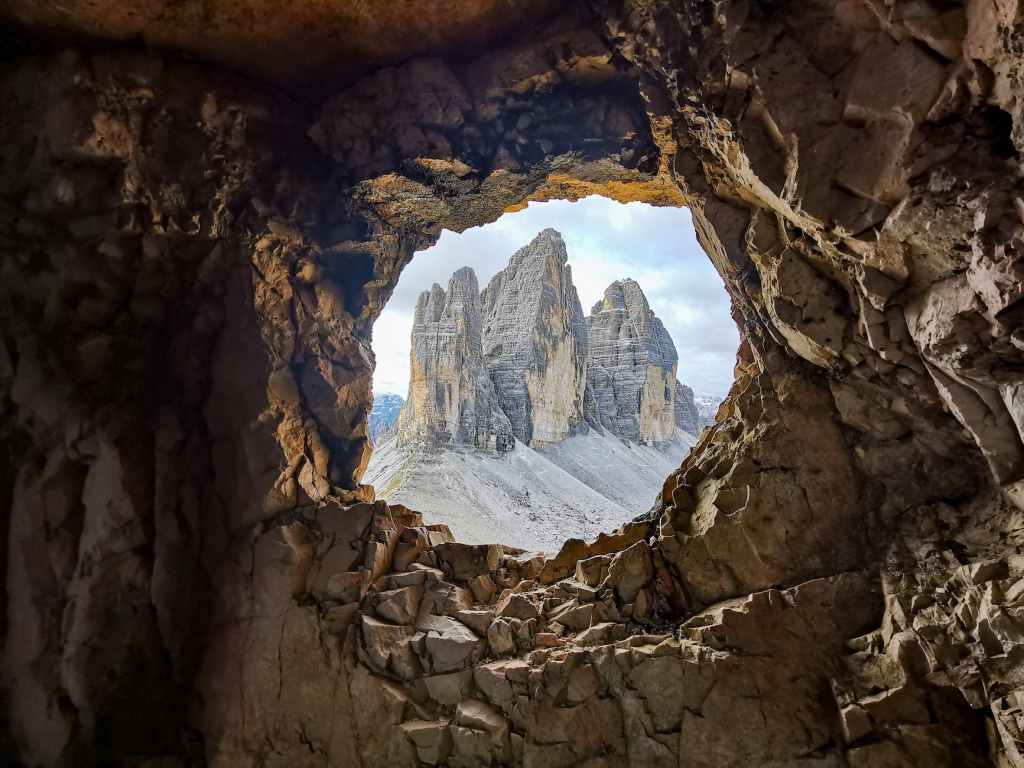
From Ainu Folklore
Once upon a time there was a man who had two sons. Now it happened one day, when the younger son was away from home, the father died. Just before his death he called his eldest son to him, and told him that, as he was about to take his departure from this world and pursue his journey to Hades, he would leave his treasures, heirlooms, and general property to be divided equally between the younger brother and himself.
A few days after his father’s death the younger son returned home and heard the sad news. He was very sorry; but, worse than all, the wicked elder son took all the heirlooms and other property to himself, and would not divide them equally, as his father had commanded. He said that all the things were left to himself only, as head and representative of the family. Upon this a great quarrel ensued, which waxed so hot that the brothers separated. The elder brother stayed at home and enjoyed himself; but the younger took his quiver and bow, and set out to find the passage by which his father had gone to the lower world.
Having found the entrance, he commenced the descent. He walked so quickly that he soon arrived at a large village full of people and fine houses. The dogs barked at him as he went along, and he heard the people saying to one another, “Oh! There is a ghost about; there must be a ghost about.” They then began to present libations of wine to him. On and on marched the man, the dogs still barking, till he came to the house of his father. He entered the hut, and tried to speak to his parent, but could not make himself seen or heard. This greatly distressed him, and so he set to work to find a way by which he might learn what he desired to know. At last he thought of a plan. As a ghost, why should he not enter into some member of the village, and make him speak for him? He would try. So he entered the heart of a man near at hand, and, borrowing his mouth and tongue, asked his father how he had left his property in the upper world. The father made answer that he had divided it all equally between his two sons.
Then the younger brother returned to the upper world and reported what he had gone and seen and heard. Thereupon his brother begged his pardon and divided the goods with him; and ever after that time they lived happily seen by side in the same village.
Source:
The Ainu and Their Folk-Lore, John Batchelor, 1901



 Kotharian Lightning